Register Now for Future Placement Programme Register Now
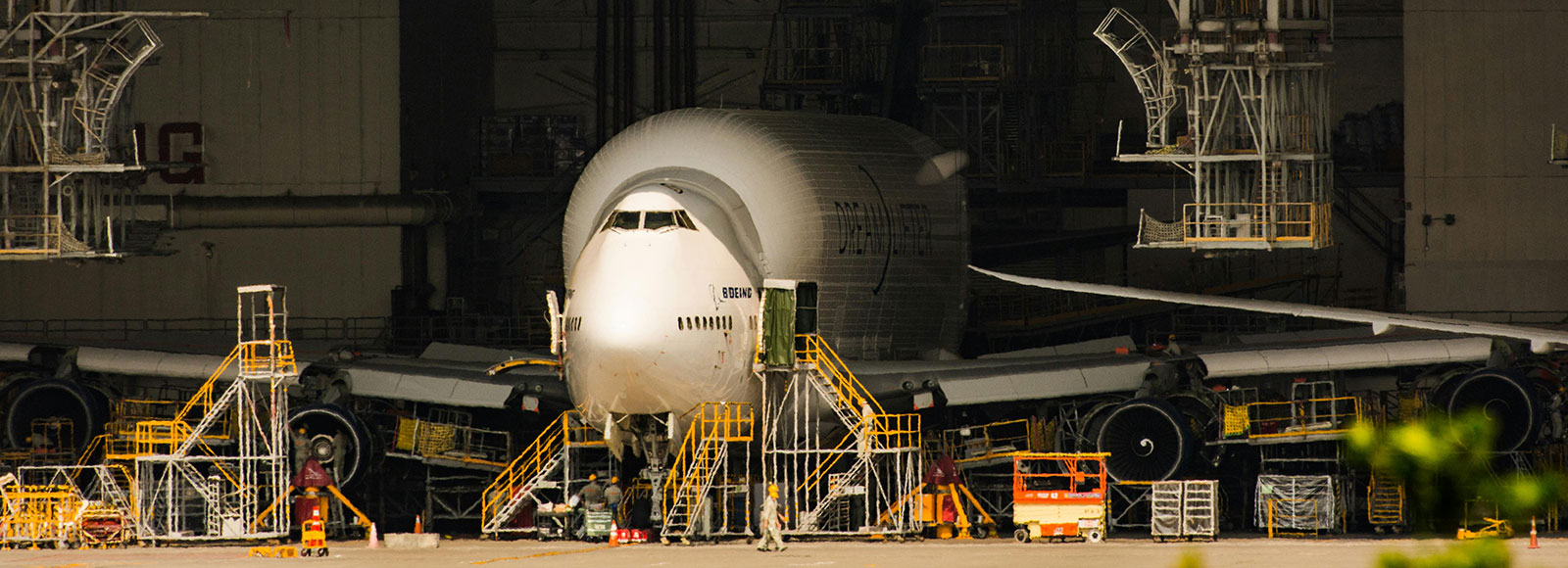
The Bachelor of Technology in Aerospace Engineering is a prestigious 4 year undergraduate program designed to shape engineers who will define the future of aviation, space exploration, and defence innovation. Powered by Aharada Education, this program integrates academic excellence with industry relevance, preparing students to design, develop, and test aircraft, spacecraft, drones, and advanced defence systems.
Aerospace Engineering represents ambition, precision, and technological mastery. At Future University powered by Aharada Education, students are trained not merely as engineers, but as innovators who push the boundaries of flight and space science.
Candidate must have passed Intermediate (10+2) Examination with PCM, PCMB, or Maths & Physics as compulsory subjects with at least 45% marks (40% for SC/ST).
| Fees Structure | Amount |
|---|---|
| 1st Year Annual | 140000/- INR |
| 2nd Year Annual |
140000/- INR |
| 3rd Year Annual | 140000/- INR |
| 4th Year Annual | 140000/- INR |
At Future University, admission to the the bachelor of technology in aerospace engineering Program is conducted through a structured, transparent, and merit-driven process designed to identify talented and motivated engineering aspirants.
We follow a competitive yet fair selection system that ensures equal opportunity for all eligible candidates.
Admissions are offered through one or more of the following routes:
Candidates may secure admission through recognized entrance examinations conducted at:
Future University conducts its own entrance examination:

• Drone and UAV systems integration
• Advanced aerospace laboratories and simulation infrastructure
• Practical based learning with wind tunnel and propulsion exposure
• Internship and industry collaboration opportunities
• Research and innovation focused ecosystem
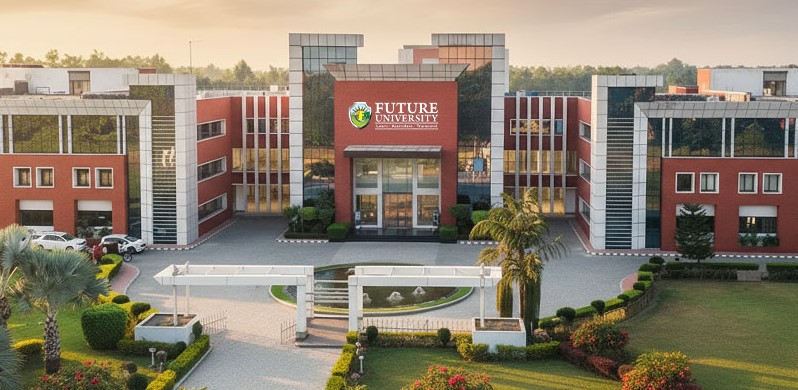
To nurture globally competent aerospace engineers who are innovative, ethically responsible, and capable of advancing aviation and space technologies. The department aims to foster research excellence, engineering precision, and leadership to support national and global aerospace growth.




















• Build strong foundations in aerospace engineering principles
• Develop expertise in aerodynamics, propulsion, avionics, and structural systems
• Prepare students for aviation, defence, and space technology careers
• Integrate theoretical learning with advanced laboratory exposure
• Promote innovation, research publication, and prototype development
• Industry aligned and future focused curriculum
• Wind tunnel and UAV lab exposure
• Practical and simulation driven learning approach
• Expert faculty and academic mentorship
• Strong placement support and industry exposure
• Research driven academic environment
• Engineering Mathematics and Physics
• Fluid Mechanics and Aerodynamics
• Aircraft Structures
• Propulsion Systems
• Flight Mechanics
• Avionics Systems
• Spacecraft Technology
• Computational Fluid Dynamics
• Drone Technology and UAV Systems
• CAD and Aerospace Simulation Software

Where Intelligence Meets Innovation